Rank
N/A, it has 142 views
Artist(s)
Updating
Genre(s)
Type
text

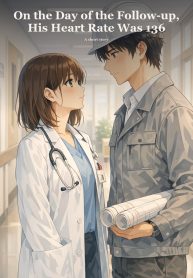
As an attending cardiologist, I’ve seen my fair share of hearts spinning out of control.
I’ve seen them failing, hypertrophic, or suffocating under the weight of blood clots. I’ve seen them flickering erratically across monitors as if they were about to go on strike at any second.
I thought I had long since grown numb to the rhythm of a heartbeat.
That was until I admitted a patient with frequent premature ventricular contractions.
During his week-long hospital stay, he never once said he liked me. Yet, he noticed that I always warmed the head of my stethoscope in my palm before a check-up. He remembered that I only drank black Americanos when I was on the night shift. He saw how I always leaned down slightly when speaking to patients, making sure to meet their eyes at the same level.
On the day he was discharged, he stood at the door of the ward and said, “Dr. Lin, I hope we never meet again.”
“It’s for the best,” I replied. “If we don’t meet, it means your heart is recovering well.”
Three months later, he booked an appointment at my specialist clinic. When he pushed the door open and walked in, his heart rate was one hundred and thirty-six.